
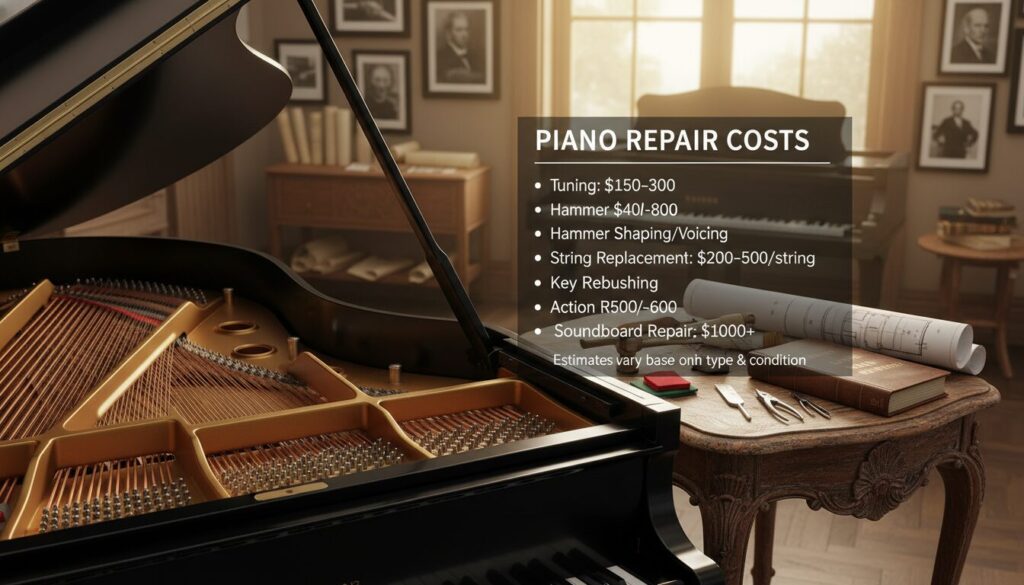
Have you ever wondered what it truly costs to bring a piano back to life? Whether you’re a seasoned player or just starting out, understanding the costs associated with piano repair can save you both time and money.
Piano repair costs can vary significantly, ranging from $500 for minor fixes to over $3,500 for major repairs. Common issues include keys that stick, buzzing sounds, or even chipped keys. Ignoring these problems can lead to developing bad habits while practicing, which can hinder your musical progress.
In this article, we will explore the full range of costs involved in piano repair. You’ll learn about the importance of hiring a qualified technician, as well as how maintaining your instrument can help retain its value. Plus, we’ll introduce you to www.vestapiano.ca, a trusted Canadian resource for accurate repair estimates and professional services.
Understanding Your Piano Repair Costs: What You Need to Know
Understanding the costs associated with piano repairs can greatly impact your decision-making. Several factors come into play when determining the expenses involved in getting your instrument back in top shape.
Factors Influencing the Cost of Piano Repairs
Many elements influence the cost of piano repairs:
- Size: Larger pianos, like grand pianos, typically require more labor and specialized parts.
- Age: Older instruments may need more extensive work due to wear and tear.
- Condition: A well-maintained piano generally costs less to repair than one that has been neglected.
- Complexity: The specific issue at hand can also affect the repair cost significantly.
Common Piano Issues That Require Repair
There are several frequent problems that piano technicians encounter:
- Out of Tune: This is the most common issue and can often be resolved with a simple tuning.
- Sticky Keys: Keys may stick due to humidity or dirt buildup.
- Non-Working Keys: This often results from broken hammers or internal mechanism failures.
- Buzzing or Rattling Sounds: Foreign objects may fall inside the piano, causing unwanted noise.
- Chipped or Dirty Keys: While cosmetic, these issues can affect your playing experience.
Estimating Typical Repair Price Ranges in Canada
In Canada, piano repair costs can vary significantly:
- Standard repairs typically range from $500 to $3,500.
- Major structural repairs may exceed $3,500.
- Prices may vary by region and the technician’s experience level.
For accurate estimates and professional evaluations, visit www.vestapiano.ca. This resource provides localized pricing information and connects you with skilled technicians.
Common Piano Repairs and Their Associated Costs
Every piano has its quirks, and knowing the typical repairs can save you time and money. Various issues can arise, impacting the sound and playability of your instrument. Understanding these common repairs will help you maintain your piano effectively.
Tuning and Minor Adjustments
Tuning is the most frequently needed service for pianos. While it may not be a traditional repair, it requires a skilled technician. Regular tuning helps prevent more expensive issues from developing unnoticed. In Canada, the cost for standard tuning and minor adjustments typically ranges from $100 to $200.
Fixing Sticky or Non-Working Keys
Sticky or sluggish keys can be frustrating. This issue often arises from humidity changes, dirt buildup, or residue from children’s hands. A technician can restore proper key action by cleaning and adjusting the internal mechanisms. The cost for fixing these keys generally falls between $150 and $300.
Addressing Buzzing and Rattling Sounds
Buzzing or rattling sounds can disrupt your music. These noises often come from foreign objects that have fallen inside the piano, such as sheet music or small toys. A technician will need to retrieve these items to restore the sound quality. Repair costs for this issue can range from $100 to $250.
Cosmetic Repairs: Chipped and Dirty Keys
Chipped or dirty keys may seem minor, but they can affect your playing experience. While these repairs are primarily cosmetic, severe damage can alter the tactile surface of the keys. Repairing chipped keys typically costs around $50 to $150. Regular cleaning can help maintain their appearance and functionality.
Addressing these common repairs promptly preserves your piano’s sound quality. For more information on finding skilled technicians in Canada, visit www.vestapiano.ca. They connect piano owners with professionals experienced in diagnosing and fixing everyday issues efficiently and affordably.
Breaking Down Piano Refinishing and Restoration Expenses
Piano refinishing is a valuable investment that enhances both the appearance and worth of your instrument. Understanding the costs involved in this process can help you make informed decisions about your investment. Several factors come into play when determining the expenses associated with refinishing your piano.
Cost Factors: Size, Condition, Materials, and Labor
The overall cost of refinishing a piano depends on:
- Size: Grand pianos require more work and materials than upright models.
- Condition: A well-maintained piano will typically cost less to refinish.
- Materials: The quality of the finishing materials selected impacts the final price.
- Labor: The expertise of the technicians performing the work also affects costs.
Surface Preparation and Wood Repairs
Surface preparation is a critical step in the refinishing process. This involves stripping the old finish, which can take:
- 8-12 hours for upright pianos
- 15-20 hours for grand pianos
The costs for surface preparation typically range from $800 to $1,500. Wood repairs can vary significantly, from minor veneer fixes costing around $200 to extensive restoration work that may reach $2,500.
New Finish Application and Hardware Work
Applying a new finish can cost between $1,200 and $3,000. This includes:
- Wood staining: $400-$600
- Sealer application: $300-$500
- Final finish coats: $500-$1,900
Additionally, hardware work, such as pedal mechanism repairs and refinishing key slips, can add another $300 to $800 to your total costs.
Ways to Save on Refinishing Costs Without Sacrificing Quality
There are several ways to save on refinishing costs:
- Handle minor tasks yourself, such as cleaning and disassembly.
- Focus on specific areas rather than a full refinishing.
- Schedule work during off-peak seasons for potential discounts.
Delaying necessary refinishing can lead to progressive wood damage and ultimately higher repair bills. Therefore, timely action is crucial.
For accurate estimates and to connect with skilled technicians, visit www.vestapiano.ca. They provide resources for finding Canadian professionals who deliver high-quality restoration work.
| Service | Cost Range | Time Required |
|---|---|---|
| Surface Preparation | $800 – $1,500 | 8-20 hours |
| Wood Repairs | $200 – $2,500 | Varies |
| New Finish Application | $1,200 – $3,000 | Varies |
| Hardware Work | $300 – $800 | Varies |
Major Repairs: Soundboards, Pinblocks, and When They Matter
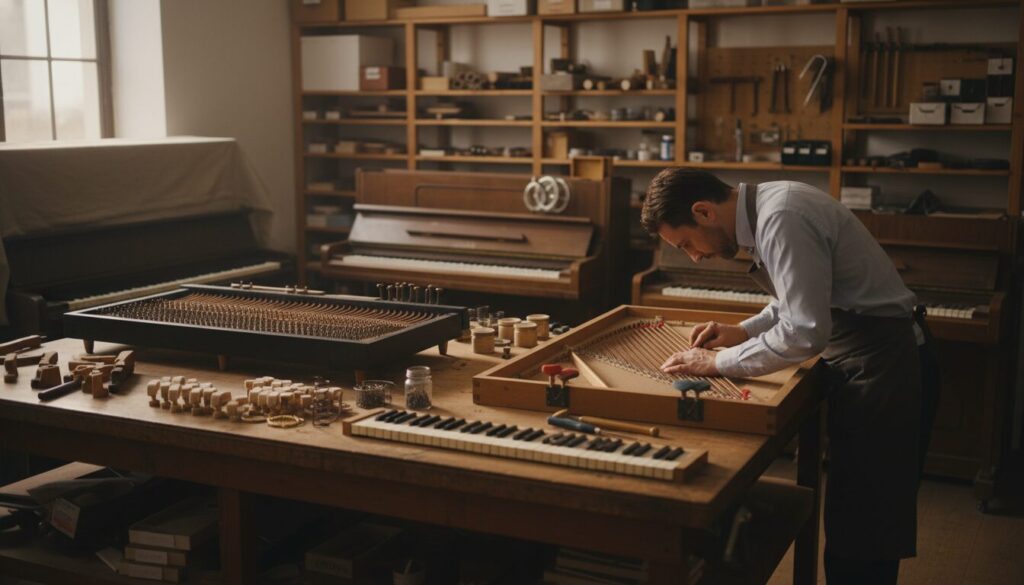
Knowing the role of significant components in your piano can help you make informed decisions about repairs. Two of the most critical parts are the soundboard and pinblock. Understanding their functions and repair needs is essential for maintaining your instrument’s quality.
The Importance of the Soundboard in Piano Tone
The soundboard is often considered the heart of a piano’s tone. It amplifies the vibrations of the strings, creating the rich, resonant sound that defines your instrument’s voice. Premium soundboards, such as those made from Sitka Spruce sourced from a specific Alaskan island, are carefully crafted. The wood is gradually tapered from center to edge, allowing for freedom of movement and enhancing dynamic range.
Costs and Processes for Soundboard Repairs or Replacement
When it comes to soundboard issues, cracks are common. Repairing these cracks typically involves a process called shimming. This requires:
- Removing the plate and strings
- Carving a precise groove in the soundboard
- Gluing and clamping a wood shim into place
- Planing it flush for a seamless finish
However, full soundboard replacement is becoming more common and is often seen as a superior long-term fix. Only authorized manufacturers can replace proprietary soundboards, such as those from Steinway.
Understanding Pinblocks and Their Repair Expenses
The pinblock is another vital component, as it holds the tuning pins securely in place. Steinway introduced the Hexagrip Pinblock in 1963, which allows for smoother tuning pin movement and longer tuning retention. Repair methods for pinblocks include:
- Increasing pin sizes
- Pin tapping
- CA gluing
- Epoxying for higher torque
When restringing your piano, it is advisable to replace the pinblock to ensure optimal performance.
Why Factory Warranty and Authorized Technicians Matter
Understanding the cost implications of major structural repairs is crucial. A factory warranty on a new piano offers comprehensive protection that a partial warranty on a used piano cannot match. Hiring your own independent piano technician to inspect any used piano before purchase is essential. This can help you avoid facing significant repair costs soon after buying.
Utilizing authorized technicians and genuine replacement parts is vital. Unauthorized rebuilders offering like-kind replacements may devalue or damage an otherwise fine instrument. For guidance on evaluating major repair needs and finding authorized technicians in Canada, visit www.vestapiano.ca. They connect you with qualified technicians who can provide honest assessments and accurate cost estimates.
How to Find and Choose a Qualified Piano Technician You Can Trust
Finding a skilled piano technician is essential for maintaining your instrument’s quality. With so many options available, knowing where to start can be overwhelming. Here are effective strategies to help you locate qualified technicians in your local area.
Effective Ways to Locate Skilled Piano Technicians Locally
Start by reaching out to local music studios that specialize in acoustic instruments. They often have established relationships with reliable technicians who service their pianos.
Additionally, contacting your local Symphony Orchestra can lead you to the technician they use for performances. This professional is likely one of the best in your area, though their services may come at a premium.
Don’t overlook music colleges and universities. They maintain numerous practice pianos and often employ full-time technicians to keep them in excellent condition.
Local churches are another great resource. Pianos play a central role in worship services, and these institutions typically hire skilled technicians for regular maintenance.
Checking Credentials, References, and Past Work
Before hiring a technician, check their credentials and references. Ask for samples of their past work, especially for major repairs. This can help you determine if they can adequately restore or repair your piano.
Be cautious of technicians who offer lower prices but lack the necessary expertise. Poor workmanship can lead to costly damage, so prioritize quality over cost.
Hiring Considerations: Experience and Specialty
When evaluating potential technicians, consider their experience and specialty. Ensure they have specific expertise with your piano type, whether it’s an upright, grand, or an antique model requiring authorized service.
Remember, the number one question to ask before any major repair is who will perform the work. Building a relationship with a trusted technician ensures consistent care over the years.
For a reliable directory of vetted piano technicians across Canada, visit www.vestapiano.ca. This resource can save you time and effort in finding qualified professionals in your region.
Investing in a skilled technician protects your piano’s long-term value and playability. By making informed choices, you can ensure your instrument receives the best care possible.
Maintaining Your Piano to Prevent Costly Repairs
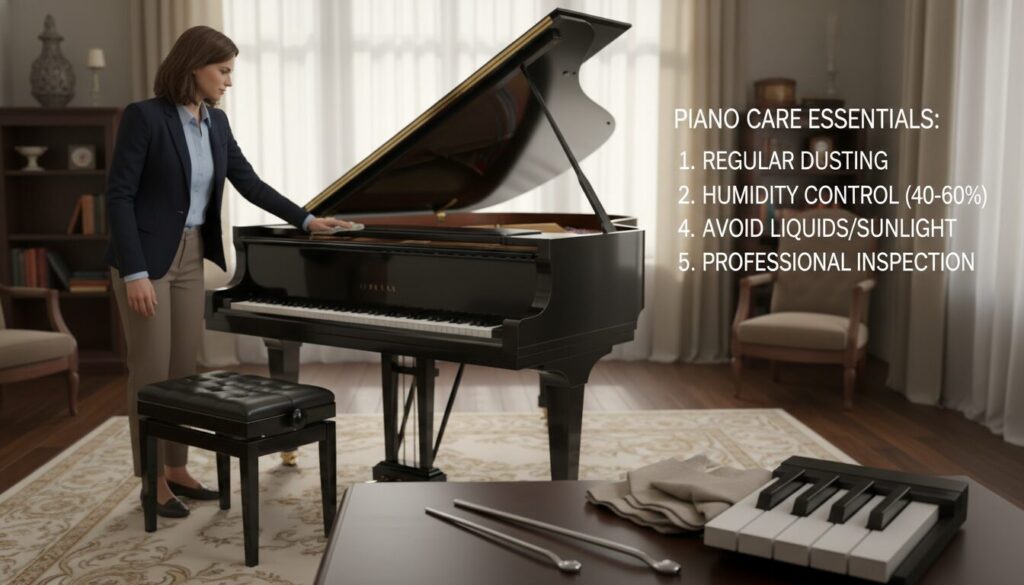
Maintaining your piano is essential for preserving its quality and preventing costly repairs. Regular care can help ensure your instrument remains in excellent condition, making it easier to play and enjoy.
Scheduling annual tuning is the single most important maintenance habit. A technician can spot emerging problems during routine visits before they develop into costly repairs. This proactive approach can save you time and money in the long run.
Regular Tuning and Annual Maintenance
It is best to have your piano tuned once a year and keep all keys in great working condition. If you are paying for piano lessons, maintaining your instrument is crucial. A well-kept piano not only enhances your learning experience but also retains its resale value.
Consider this: the last thing you want when moving is to realize you cannot even give away your piano because it is in such bad shape. Regular tuning and maintenance prevent minor issues from escalating into costly repairs.
Handling Minor Issues Before They Escalate
Addressing small problems like a single sticky key or a slight buzz immediately can prevent them from becoming larger, more expensive repairs. If you notice something unusual, take action right away. For example, retrieve any fallen objects from inside the piano and wipe down keys after use to prevent dirt buildup.
Teaching children to wash their hands before playing is a simple habit that significantly reduces sticky key problems caused by residue transferring to the key surfaces. This small action can make a big difference in your piano’s overall condition.
Safe Practices to Protect Your Piano from Damage
Implementing safe practices is crucial for protecting your piano. Position it away from direct sunlight to avoid warping and fading. Maintaining stable indoor humidity levels is also essential, as extreme fluctuations can affect the wood and tuning stability.
Keeping food and drinks away from the keyboard is another simple yet effective way to prevent damage. Canada’s seasonal climate swings—from dry winter heating to humid summers—can affect your piano’s wooden components and overall condition. Regular maintenance is vital to counter these effects.
For tailored maintenance scheduling and tips that consider Canadian climate conditions, visit www.vestapiano.ca. Consistent care not only prevents expensive repairs but also ensures your piano always feels joyful to play, encouraging more frequent practice and musical enjoyment.
Making the Repair Decision: Repair, Refinish, or Replace Your Piano?
Deciding whether to repair, refinish, or replace your piano can be a daunting task. You need to assess your instrument’s current worth and potential. This involves examining its age, brand reputation, market demand, overall condition, and sound quality.
Refinishing is often less costly than purchasing a new piano. It can extend your instrument’s life and sometimes even increase its value. When making your decision, consider long-term factors such as structural condition, improved sound, future upkeep, and potential resale value.
Assessing Your Piano's Value, Condition, and Age
Start by evaluating your piano’s age and condition. Older pianos may have sentimental value, but they might also require more repairs. If your piano is structurally sound but has cosmetic issues, refinishing could be the best option.
Comparing Costs of Repair Versus Replacement
Compare the total cost of repairs or refinishing against the price of a new piano. Factor in both immediate expenses and long-term maintenance requirements. If the cost of refinishing approaches that of a new piano, replacement may be more sensible.
Considering Sentimental Value and Sound Quality
Sentimental value plays a significant role in your decision. Restoring a family heirloom can be deeply meaningful, even if the financial math does not perfectly align. Additionally, consider the sound quality; if your piano produces a rich tone, it may be worth investing in repairs.
When to Consult a Professional for an Evaluation
Consulting a professional technician can provide clarity on whether refinishing will improve your piano’s value and performance. An experienced technician can assess structural integrity, soundboard condition, and pinblock health to guide your decision.
For a detailed estimate and professional evaluations, visit www.vestapiano.ca. They connect Canadian piano owners with experts who offer unbiased advice on whether to repair, refinish, or replace their pianos.
Conclusion
Caring for your piano as a treasured instrument can transform your playing experience. When well-maintained, pianos become a source of joy, inviting you to play for hours. Remember, standard repairs usually range from $500 to $3,500, while serious structural work can exceed that threshold. Regular maintenance is your best safeguard against costly repairs.
Finding a trusted piano technician is crucial. Their experience and credentials matter more than just the lowest estimate. Addressing minor issues promptly prevents them from escalating into expensive repairs. Additionally, the sentimental value of your piano often justifies restoration investments that simple calculations may overlook.
For all your piano repair, tuning, and restoration needs, visit www.vestapiano.ca. This resource connects you with qualified technicians who can help you maintain your instrument’s value and sound quality. Take action today to ensure your piano remains a cherished companion for years to come.
FAQ
What factors influence the cost of piano repairs?
Several elements can affect repair costs, including the piano’s age, brand, and overall condition. The type of repair needed, such as tuning, action adjustments, or more extensive restoration, also plays a significant role in determining the final price.
What are common issues that require piano repair?
Common problems include out-of-tune strings, sticky keys, buzzing sounds, and cosmetic damage like chipped keys. Each of these issues can vary in complexity and cost, depending on the specific repair needed.
How can I estimate typical repair price ranges?
In Canada, basic tuning might range from 0 to 0, while more complex repairs can cost anywhere from 0 to
FAQ
What factors influence the cost of piano repairs?
Several elements can affect repair costs, including the piano’s age, brand, and overall condition. The type of repair needed, such as tuning, action adjustments, or more extensive restoration, also plays a significant role in determining the final price.
What are common issues that require piano repair?
Common problems include out-of-tune strings, sticky keys, buzzing sounds, and cosmetic damage like chipped keys. Each of these issues can vary in complexity and cost, depending on the specific repair needed.
How can I estimate typical repair price ranges?
In Canada, basic tuning might range from $100 to $200, while more complex repairs can cost anywhere from $200 to $1,000 or more. Always seek estimates from qualified technicians to get a more accurate idea based on your piano’s condition.
What does tuning and minor adjustments usually cost?
Tuning typically costs between $100 and $200, while minor adjustments can add another $50 to $150, depending on the technician’s rates and the specific adjustments needed.
How much does it cost to fix sticky or non-working keys?
Repairing sticky or non-working keys can range from $75 to $300, depending on the complexity of the issue and whether parts need to be replaced.
What are the costs associated with addressing buzzing and rattling sounds?
Fixing buzzing or rattling sounds can vary widely, often costing between $100 and $500, depending on the source of the noise and whether any parts require replacement.
What are the expenses related to cosmetic repairs?
Cosmetic repairs, such as fixing chipped or dirty keys, can cost anywhere from $50 to $300, depending on the extent of the damage and the materials required for restoration.
What factors contribute to the cost of piano refinishing and restoration?
Size, condition, materials, and labor significantly impact the cost of refinishing. A larger piano or one in poor condition will generally incur higher costs.
How much does surface preparation and wood repairs typically cost?
Surface preparation and wood repairs can range from $200 to $1,000, depending on the amount of work needed and the type of wood used in the piano.
What is the cost for applying a new finish and hardware work?
Applying a new finish can cost between $300 and $800, while hardware work, such as replacing pedals or hinges, may add another $100 to $300.
What should I know about soundboard repairs or replacement?
Soundboard repairs can be costly, ranging from $500 to $2,000, depending on the extent of the damage. Replacing a soundboard can be even more expensive, often exceeding $3,000.
Why is the pinblock important and what are its repair costs?
The pinblock holds the tuning pins in place, making it crucial for maintaining sound quality. Repair costs can range from $300 to $1,000, depending on the extent of the damage.
How can I find a qualified piano technician?
Look for local technicians with good reviews, check their credentials, and ask for references. It’s important to find someone with experience and a specialty in the type of piano you own.
What regular maintenance can prevent costly repairs?
Regular tuning, annual maintenance, and addressing minor issues promptly can help keep your piano in good condition and prevent expensive repairs down the line.
How do I decide whether to repair, refinish, or replace my piano?
Assess your piano’s value, condition, and age. Compare the costs of repair versus replacement and consider sentimental value and sound quality before making a decision.
What does tuning and minor adjustments usually cost?
Tuning typically costs between 0 and 0, while minor adjustments can add another to 0, depending on the technician’s rates and the specific adjustments needed.
How much does it cost to fix sticky or non-working keys?
Repairing sticky or non-working keys can range from to 0, depending on the complexity of the issue and whether parts need to be replaced.
What are the costs associated with addressing buzzing and rattling sounds?
Fixing buzzing or rattling sounds can vary widely, often costing between 0 and 0, depending on the source of the noise and whether any parts require replacement.
What are the expenses related to cosmetic repairs?
Cosmetic repairs, such as fixing chipped or dirty keys, can cost anywhere from to 0, depending on the extent of the damage and the materials required for restoration.
What factors contribute to the cost of piano refinishing and restoration?
Size, condition, materials, and labor significantly impact the cost of refinishing. A larger piano or one in poor condition will generally incur higher costs.
How much does surface preparation and wood repairs typically cost?
Surface preparation and wood repairs can range from 0 to
FAQ
What factors influence the cost of piano repairs?
Several elements can affect repair costs, including the piano’s age, brand, and overall condition. The type of repair needed, such as tuning, action adjustments, or more extensive restoration, also plays a significant role in determining the final price.
What are common issues that require piano repair?
Common problems include out-of-tune strings, sticky keys, buzzing sounds, and cosmetic damage like chipped keys. Each of these issues can vary in complexity and cost, depending on the specific repair needed.
How can I estimate typical repair price ranges?
In Canada, basic tuning might range from $100 to $200, while more complex repairs can cost anywhere from $200 to $1,000 or more. Always seek estimates from qualified technicians to get a more accurate idea based on your piano’s condition.
What does tuning and minor adjustments usually cost?
Tuning typically costs between $100 and $200, while minor adjustments can add another $50 to $150, depending on the technician’s rates and the specific adjustments needed.
How much does it cost to fix sticky or non-working keys?
Repairing sticky or non-working keys can range from $75 to $300, depending on the complexity of the issue and whether parts need to be replaced.
What are the costs associated with addressing buzzing and rattling sounds?
Fixing buzzing or rattling sounds can vary widely, often costing between $100 and $500, depending on the source of the noise and whether any parts require replacement.
What are the expenses related to cosmetic repairs?
Cosmetic repairs, such as fixing chipped or dirty keys, can cost anywhere from $50 to $300, depending on the extent of the damage and the materials required for restoration.
What factors contribute to the cost of piano refinishing and restoration?
Size, condition, materials, and labor significantly impact the cost of refinishing. A larger piano or one in poor condition will generally incur higher costs.
How much does surface preparation and wood repairs typically cost?
Surface preparation and wood repairs can range from $200 to $1,000, depending on the amount of work needed and the type of wood used in the piano.
What is the cost for applying a new finish and hardware work?
Applying a new finish can cost between $300 and $800, while hardware work, such as replacing pedals or hinges, may add another $100 to $300.
What should I know about soundboard repairs or replacement?
Soundboard repairs can be costly, ranging from $500 to $2,000, depending on the extent of the damage. Replacing a soundboard can be even more expensive, often exceeding $3,000.
Why is the pinblock important and what are its repair costs?
The pinblock holds the tuning pins in place, making it crucial for maintaining sound quality. Repair costs can range from $300 to $1,000, depending on the extent of the damage.
How can I find a qualified piano technician?
Look for local technicians with good reviews, check their credentials, and ask for references. It’s important to find someone with experience and a specialty in the type of piano you own.
What regular maintenance can prevent costly repairs?
Regular tuning, annual maintenance, and addressing minor issues promptly can help keep your piano in good condition and prevent expensive repairs down the line.
How do I decide whether to repair, refinish, or replace my piano?
Assess your piano’s value, condition, and age. Compare the costs of repair versus replacement and consider sentimental value and sound quality before making a decision.
What is the cost for applying a new finish and hardware work?
Applying a new finish can cost between 0 and 0, while hardware work, such as replacing pedals or hinges, may add another 0 to 0.
What should I know about soundboard repairs or replacement?
Soundboard repairs can be costly, ranging from 0 to ,000, depending on the extent of the damage. Replacing a soundboard can be even more expensive, often exceeding ,000.
Why is the pinblock important and what are its repair costs?
The pinblock holds the tuning pins in place, making it crucial for maintaining sound quality. Repair costs can range from 0 to
FAQ
What factors influence the cost of piano repairs?
Several elements can affect repair costs, including the piano’s age, brand, and overall condition. The type of repair needed, such as tuning, action adjustments, or more extensive restoration, also plays a significant role in determining the final price.
What are common issues that require piano repair?
Common problems include out-of-tune strings, sticky keys, buzzing sounds, and cosmetic damage like chipped keys. Each of these issues can vary in complexity and cost, depending on the specific repair needed.
How can I estimate typical repair price ranges?
In Canada, basic tuning might range from $100 to $200, while more complex repairs can cost anywhere from $200 to $1,000 or more. Always seek estimates from qualified technicians to get a more accurate idea based on your piano’s condition.
What does tuning and minor adjustments usually cost?
Tuning typically costs between $100 and $200, while minor adjustments can add another $50 to $150, depending on the technician’s rates and the specific adjustments needed.
How much does it cost to fix sticky or non-working keys?
Repairing sticky or non-working keys can range from $75 to $300, depending on the complexity of the issue and whether parts need to be replaced.
What are the costs associated with addressing buzzing and rattling sounds?
Fixing buzzing or rattling sounds can vary widely, often costing between $100 and $500, depending on the source of the noise and whether any parts require replacement.
What are the expenses related to cosmetic repairs?
Cosmetic repairs, such as fixing chipped or dirty keys, can cost anywhere from $50 to $300, depending on the extent of the damage and the materials required for restoration.
What factors contribute to the cost of piano refinishing and restoration?
Size, condition, materials, and labor significantly impact the cost of refinishing. A larger piano or one in poor condition will generally incur higher costs.
How much does surface preparation and wood repairs typically cost?
Surface preparation and wood repairs can range from $200 to $1,000, depending on the amount of work needed and the type of wood used in the piano.
What is the cost for applying a new finish and hardware work?
Applying a new finish can cost between $300 and $800, while hardware work, such as replacing pedals or hinges, may add another $100 to $300.
What should I know about soundboard repairs or replacement?
Soundboard repairs can be costly, ranging from $500 to $2,000, depending on the extent of the damage. Replacing a soundboard can be even more expensive, often exceeding $3,000.
Why is the pinblock important and what are its repair costs?
The pinblock holds the tuning pins in place, making it crucial for maintaining sound quality. Repair costs can range from $300 to $1,000, depending on the extent of the damage.
How can I find a qualified piano technician?
Look for local technicians with good reviews, check their credentials, and ask for references. It’s important to find someone with experience and a specialty in the type of piano you own.
What regular maintenance can prevent costly repairs?
Regular tuning, annual maintenance, and addressing minor issues promptly can help keep your piano in good condition and prevent expensive repairs down the line.
How do I decide whether to repair, refinish, or replace my piano?
Assess your piano’s value, condition, and age. Compare the costs of repair versus replacement and consider sentimental value and sound quality before making a decision.
How can I find a qualified piano technician?
Look for local technicians with good reviews, check their credentials, and ask for references. It’s important to find someone with experience and a specialty in the type of piano you own.
What regular maintenance can prevent costly repairs?
Regular tuning, annual maintenance, and addressing minor issues promptly can help keep your piano in good condition and prevent expensive repairs down the line.
How do I decide whether to repair, refinish, or replace my piano?
Assess your piano’s value, condition, and age. Compare the costs of repair versus replacement and consider sentimental value and sound quality before making a decision.