
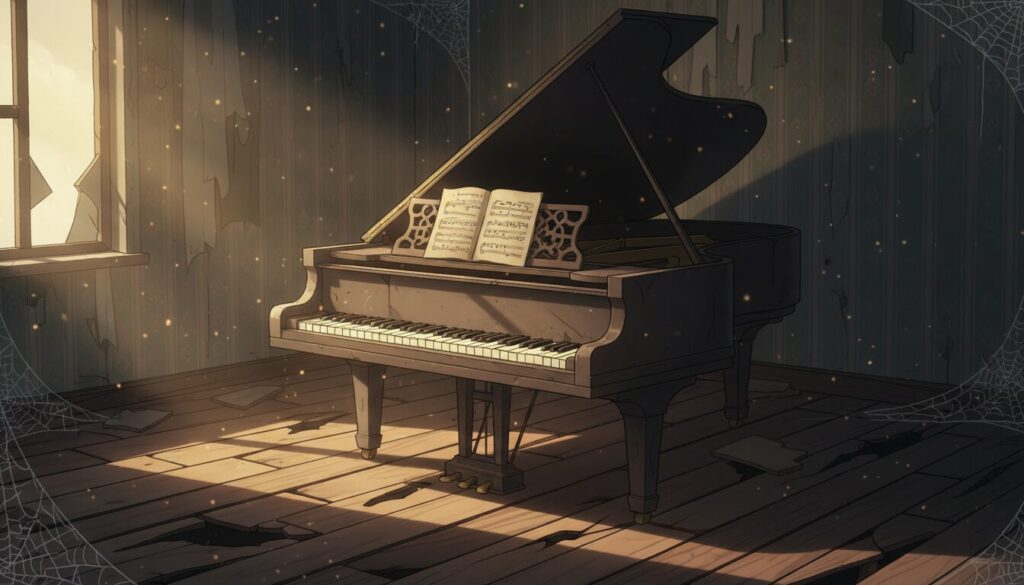
Ever thought about what happens to an instrument left alone for decades? Many think silence keeps it perfect, but it’s not that simple.
Ignoring piano maintenance causes big problems. The strings’ tension can bend the soundboard and harm the pinblock over time.
After 30 years without piano tuning, the instrument can get so far off pitch it can’t be fixed. The only way to keep your piano playable and valuable is through regular piano tuning.
Key Takeaways
- Long-term neglect causes irreversible damage to the soundboard and pinblock.
- Strings lose their ability to hold tension after decades of inactivity.
- Regular service is essential to prevent the instrument from becoming untunable.
- Environmental factors in Canada, such as humidity changes, accelerate mechanical degradation.
- Restoration costs often exceed the market value of an instrument left unserviced for three decades.
The Mechanics of Pitch Decay and Tension Loss
To understand how a piano loses its pitch, we must look at wood, metal, and environmental forces. A piano is a high-tension machine with over 200 strings. These strings exert thousands of pounds of force on the frame. When you stop piano tuning, this balance fails, causing a piano sound quality decline.
Understanding String Tension and Soundboard Stability
The strings are anchored to a heavy cast-iron plate and a wooden pinblock. Over time, the constant pull can cause the wood to shift slightly. This is a key neglected piano effect that owners often overlook.
The soundboard is the heart of the piano, amplifying string vibrations. Without regular long-term piano care, the soundboard may lose its shape. This loss affects the piano sound quality deterioration, making the tone sound thin or lifeless.
The Role of Humidity in Pitch Fluctuations
Humidity greatly affects your instrument, more so in Canada. Wood absorbs and releases moisture, causing it to expand and contract. These changes alter the string tension.
Seasonal cycles impact the piano’s pitch. In humid summers, the soundboard swells, and in dry winters, it shrinks. This impact of infrequent piano tuning creates instability, making stable notes hard to achieve.
The following table shows how environmental factors affect your piano’s core components over time:
| Component | High Humidity Effect | Low Humidity Effect |
|---|---|---|
| Soundboard | Expansion and swelling | Contraction and cracking |
| Strings | Pitch drops due to tension loss | Pitch rises due to tension increase |
| Pinblock | Pins may loosen | Wood shrinkage causes loose pins |
| Overall Quality | Piano sound quality over time suffers | Neglecting piano tuning causes permanent damage |
The effects of not tuning piano components lead to performance loss. Understanding these mechanics helps appreciate the need for consistent maintenance to preserve your instrument’s voice.
What happens if you do not tune a piano for 30 years?
Ignoring a piano for thirty years is more than just skipping maintenance. It lets the instrument slowly fall apart. The parts that once worked together in perfect harmony start to move out of place due to string tension.
Understanding what happens if you do not tune a piano for 30 years? involves looking at the physics of the piano and how it affects your music. This knowledge is key to seeing the damage done over time.
The Gradual Descent into Inharmonicity
A piano’s strings vibrate in a precise way. But over thirty years, this precision is lost. The strings no longer vibrate in sync, causing inharmonicity.
This leads to a sound that is muddy and dissonant. Even playing one key can create a mess of sounds. The long-term piano tuning effects make the piano sound bad.
Why Standard Pitch Becomes an Impossible Goal
Not tuning a piano for a long time has big consequences. The tuning pins can seize, or the wood can warp. Trying to tune it back to standard pitch can cause it to break.
Technicians often find it impossible to tune an old piano to concert pitch. The metal and wood have settled in a way that makes it unstable. Trying to tune it can snap wires or crack the bridge, ending its life.
The Impact on Your Ear and Musical Development
Playing a piano that’s out of tune can harm your ear. It can make you accept bad sounds as normal. This makes it hard to develop perfect pitch or a good sense of tone.
The table below shows the difference between a well-maintained piano and one that’s been neglected:
| Feature | Maintained Piano | Neglected Piano |
|---|---|---|
| String Tension | Stable and consistent | Irreversibly compromised |
| Tuning Pins | Firm and responsive | Seized or loose |
| Sound Quality | Clear and resonant | Dissonant and muddy |
| Musical Utility | High performance | Decorative furniture |
Letting a piano go for thirty years turns it into furniture. The out-of-tune piano consequences are hard to fix. It’s important to tune your piano regularly to keep it in good shape for the future.
Structural Risks and Long-Term Damage
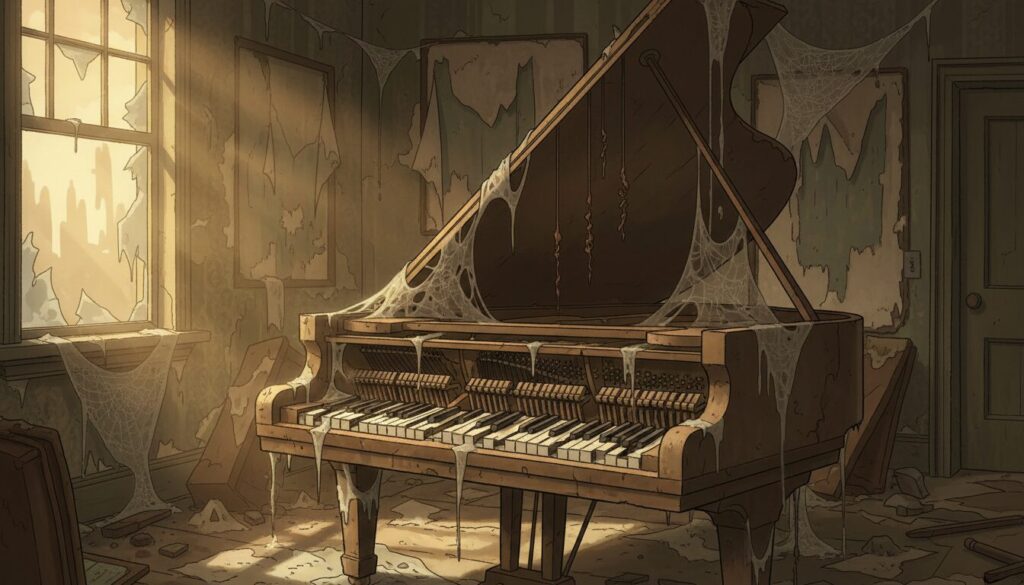
Neglecting a piano for thirty years can cause more than just bad sound. It can lead to catastrophic internal damage. It’s important for owners to understand these risks to keep their piano in good shape.
Pinblock Degradation and Tuning Stability
The pinblock is key to keeping your piano in tune. Over time, it can dry out or lose its grip. This leads to long-term piano tuning neglect.
When the pins can’t hold tension, tuning becomes impossible. Even professional tuning can’t fix this problem.
“A piano is not merely a piece of furniture; it is a living, breathing mechanical system that requires constant care to maintain its structural soul.”
Bridge Cracks and Soundboard Compression
The soundboard amplifies your piano’s sound. It needs to be just right to sound good. Neglect can cause it to lose shape or crack.
These problems are common when a piano isn’t tuned for a long time. The uneven tension can pull the wood apart.
This damage can make your piano less valuable. Repairing a cracked soundboard is often too expensive. You might hear buzzing or a thin sound, showing the bridge is damaged.
Action Component Deterioration Over Three Decades
The inside parts of the piano also suffer from neglect. Over thirty years, felt, leather, and wood can become brittle or infested. The long-term effects of neglecting piano tuning harm these parts, making them less responsive.
- Felt hardening: Causes a harsh, percussive sound.
- Wood warping: Leads to sticking keys and uneven touch.
- Metal corrosion: Weakens the springs and screws essential for playability.
Fixing these problems early can save your piano. Ignoring them can make your piano useless. It will become a decoration instead of a musical instrument.
The Financial Reality of Restoring a Neglected Instrument
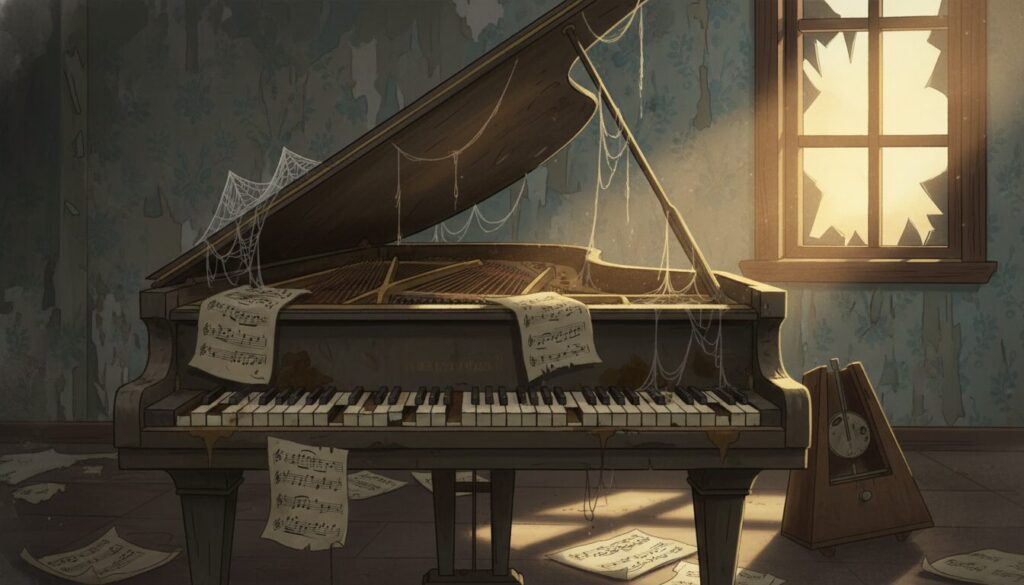
Before starting a major repair, it’s key to understand the true cost of fixing a neglected piano. Bringing a silent piano back to life is not simple. It requires a lot of work and special skills.
The Cost of Pitch Raises Versus Regular Maintenance
When a piano sits idle for years, its strings lose tension, causing the pitch to drop. Fixing this issue, called a pitch raise, is complex. It needs many steps to get the tension right across the piano.
Technicians charge a lot for the hours needed for a pitch raise on a neglected piano. The metal and wood parts have shifted, making string breakage a big risk. When planning your budget, consider these factors:
- The hours needed for multiple tuning passes.
- The need for new strings due to rust or wear.
- The time to adjust the action for even playing.
When Restoration Costs Exceed Instrument Value
Ignoring piano maintenance can cause permanent damage. Sometimes, fixing a piano costs more than it’s worth. You need to decide if the piano is worth saving or if it’s time to let it go.
Talking to a professional can help you avoid wasting money. If the soundboard is cracked or the pinblock is damaged, costs will rise fast. Always compare repair costs to the price of a new, used piano in good shape.
Evaluating the Sentimentality Versus Utility Trade-off
Many owners find it hard to let go of a family heirloom. The emotional value of a piano can be high, even if it’s not useful anymore. You must choose between keeping it as a memory or using it for music.
If you decide to restore it, know that neglecting maintenance can lower the piano’s value over time. A restored piano may not regain its original value. But, with regular care, it can bring joy for years. Making a choice that balances your heart and wallet is important.
Professional Assessment and Maintenance Services
Getting help from a pro is key when you want to fix up an old piano. Piano maintenance is more than just making it look good. It’s about keeping it safe and making sure it sounds great.
Why You Need a Certified Technician for Old Pianos
A certified tech is essential for checking if your piano is worth fixing. They look at the soundboard, pinblock, and action to see if it can handle today’s tuning. Knowing the importance of regular piano tuning shows why you need a pro for old pianos.
There are many compelling reasons to tune piano regularly, like after years of not being played. A pro can tell you why you should tune your piano regularly to stop damage. Without them, you might harm your piano too much.
Consulting Experts at Vesta Piano for Your Restoration Needs
Thinking about a full piano restoration? You need to know about piano repair costs. Talking to the experts at www.vestapiano.ca gives you a true idea of what your piano needs. They have the skills to handle big repairs safely.
Working with pros means every dollar you spend helps your piano last longer. They help you decide if keeping your piano is worth it. This partnership is the best way to tackle big repairs.
Developing a Long-Term Care Plan for Your Instrument
After fixing your piano, you must keep it in good shape. A long-term piano care plan is key. Keeping up with benefits of maintaining piano tuning schedule will keep your piano sounding good. Caring for your piano the right way will protect it for many years.
Here are some piano care tips to keep your piano in top condition:
- Schedule professional tunings at least twice a year.
- Maintain a stable environment with consistent humidity levels.
- Keep the piano away from direct sunlight and heating vents.
- Enjoy the benefits of regular piano tuning by playing your instrument frequently.
Conclusion
Your piano is a complex machine that needs regular care to sound its best. Knowing how important piano tuning is can save you from expensive repairs. These repairs can cost a lot if your piano is left untouched for thirty years.
Regular piano tuning does more than just keep the notes in tune. It also keeps the soundboard and pinblock in good shape. This is key to your piano’s sound and longevity.
There are many reasons to tune your piano often. The main reason is to protect your investment. Regular tuning can prevent costly repairs and keep your piano playing well for years.
Regular tuning is good for both the sound and the mechanics of your piano. It helps you enjoy your music without worrying about sudden, expensive problems. Taking care of your piano is the best way to keep it sounding great.
## FAQ
### Q: What happens if you do not tune a piano for 30 years?
A: Not tuning a piano for 30 years causes a huge loss of string tension. This leads to a big drop in sound quality. The piano becomes unplayable and makes it hard to develop a musical ear.
### Q: How does humidity impact long-term piano care and stability?
A: Humidity changes hurt piano sound quality over time. The wooden soundboard expands and contracts, putting pressure on the strings. This can cause bridge cracks and soundboard compression, damaging the piano’s structure and tuning.
### Q: Why does a neglected piano suffer from inharmonicity?
A: Untuned pianos suffer from inharmonicity over time. This happens when string properties change, making them vibrate in unpleasant ways. Even if tuned, the strings may produce bad sounds.
### Q: Can a piano left for three decades reach standard pitch?
A: Reaching standard pitch (A440) is often impossible for neglected pianos. The strings and frame may not handle the needed pressure. Trying to fix these problems can break strings or damage the pinblock.
### Q: What are the structural dangers of neglecting piano maintenance?
A: Neglecting piano maintenance can harm the pinblock and action components. A damaged pinblock can’t hold the tuning pins, making the piano untunable. This can lead to the piano’s total depreciation.
### Q: What are the piano repair costs for an instrument that hasn’t been serviced in 30 years?
A: Repairing a neglected piano is expensive. Regular tuning is affordable, but a 30-year restoration needs many repairs. You must weigh the cost against the piano’s value to decide if restoration is worth it.
### Q: How do I know if I should invest in piano restoration or buy a new instrument?
A: Get a professional assessment from a certified technician. Experts like those at Vesta Piano (www.vestapiano.ca) can check if damage is irreparable. If restoration costs more than the piano’s value, buying a new one might be better.
### Q: What are the best piano care tips for maintaining my instrument’s health?
A: To keep your piano healthy, tune it at least once or twice a year. Use a humidity control system and schedule regular checks with Vesta Piano. This will keep your piano a functional piece of art, not just furniture.